Meet the Teacher: Exploring Creativity and Confidence with Zoe Lam
We caught up with Zoe Lam, a Rambert Grades Trained Teacher based in Perth, Australia.
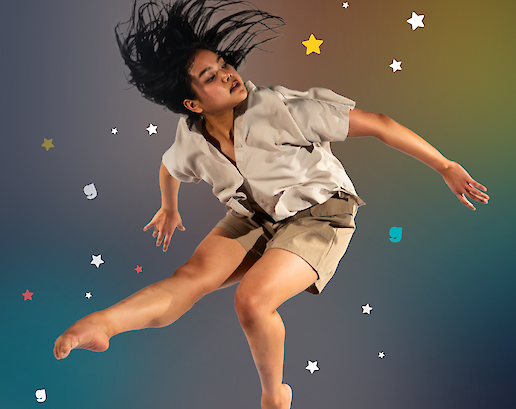
After an international performing career that took her from Barcelona to Taiwan, Zoe has returned home to share her passion for contemporary dance with young dancers across Western Australia. Drawing on her training at Rambert School and her breadth of professional experience, she brings a thoughtful, empowering approach to the studio.
Can you tell us about your journey into dance education?
My journey into dance began in Perth, where I trained with several local studios and completed all my RAD ballet exams up to Advanced 2 with distinction. As a teenager, I discovered a real love for both classical and contemporary dance, which led me to compete internationally at events such as the Asian Grand Prix, theBrisbane International Contemporary Dance Prix and the Alana Haines Australasian Awards.
After finishing my full-time training in Perth, I received several pre-professional offers from around the world and chose to continue my studies at the Rambert School of Ballet and Contemporary Dance in London. Training under the guidance of Amanda Britton and the amazing faculty — and working with choreographers like Matthew Bourne, Wayne McGregor, Richard Alston and Christopher Bruce — deeply shaped my artistic voice and strengthened my connection to contemporary dance.
I began my professional career in Barcelona with Ballet de Catalunya as an apprentice, then moved to Taiwan to join Rondo Ballet. After returning home to Perth in 2024, teaching became a natural extension of my experience. I love helping dancers explore technique, musicality and creative expression in ways that feel both rigorous and individual. Being able to share what I have learned has been the most amazing gift.
What drew you to explore Rambert Grades’ training?
Training at Rambert School is a big reason why I wanted to train as a Rambert Grades teacher. I truly believe in the ethos and values of the syllabus, and it feels easy to teach something that aligns so closely with my purpose and vision. I remember having taster sessions of the syllabus while at school and thinking, “This is exactly what I wished I had as a student — and I can’t wait to pass this on.”
I love how current the syllabus is and how thoughtfully it connects all three elements. It feels relevant to the dancers we are teaching today and supports the creative and expressive training I believe artists need to succeed in today’s industry.
Has the training influenced your teaching practice?
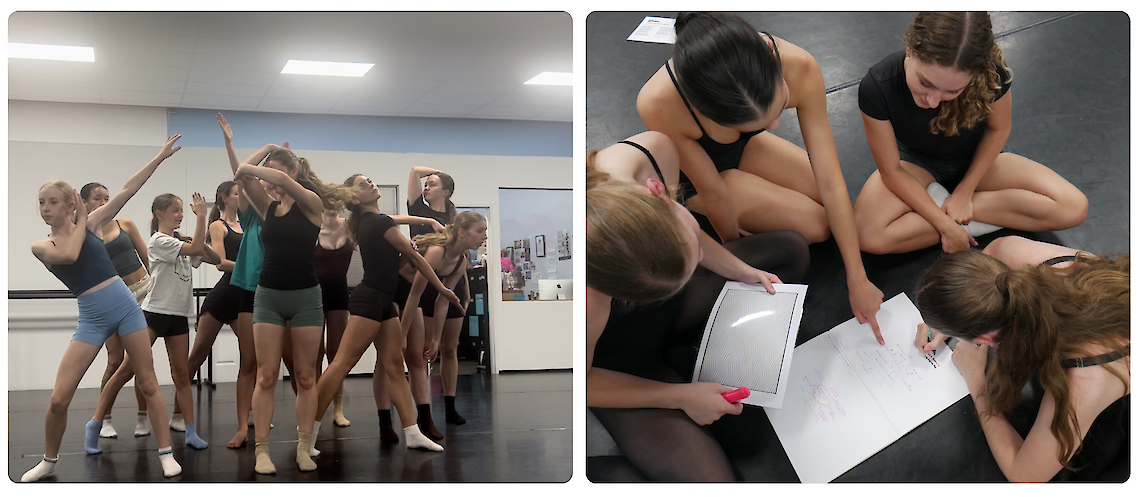
Absolutely. The training has influenced how I teach and how I plan my classes. It encouraged me to be more intentional with my class structure, the language I use, and the ways I invite students to explore movement. I’ve found myself shifting toward a more open and creative approach. The progression of exercises in the syllabus is so intuitive and runs so smoothly that it takes pressure off me as a teacher and allows me to enjoy facilitating my dancers’ technical and artistic development.
Rambert Grades also reminded me of the importance of giving students space to make their own choices. The training inspired me to put myself back in their shoes and reflect on what truly empowers a dancer. Encouraging them to ask questions, take ownership of their learning and make informed decisions has transformed the energy of my classes and helped them grow as independent and thoughtful artists.
What do you enjoy most about teaching the syllabus?
It is so difficult to pick just one thing, but I really enjoy the progression from Grade 1 through to Grade 8. The way each grade builds on the last is very clear and intuitive, which makes it easier to support students as they develop both technically and creatively. I love seeing how their confidence, musicality and expression grow as they move through the grades.
I also love how the syllabus balances structure with creativity. It helps dancers build a strong technical foundation while allowing them to experiment and make choices within both the performance and creative strands. The different solo options encourage students to explore a range of characters and movement qualities, deepening their understanding and keeping classes fresh and inspiring.
How did your students respond to the training?
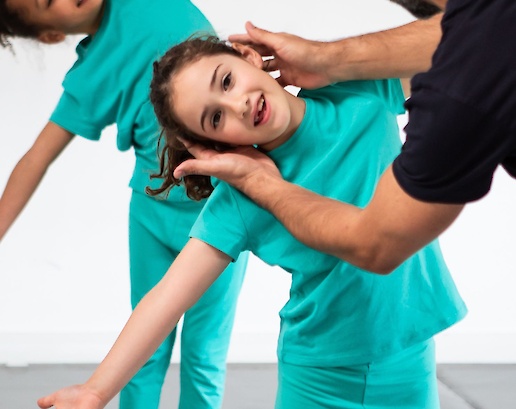
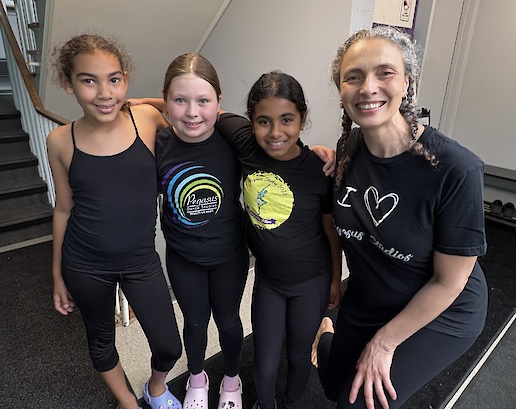
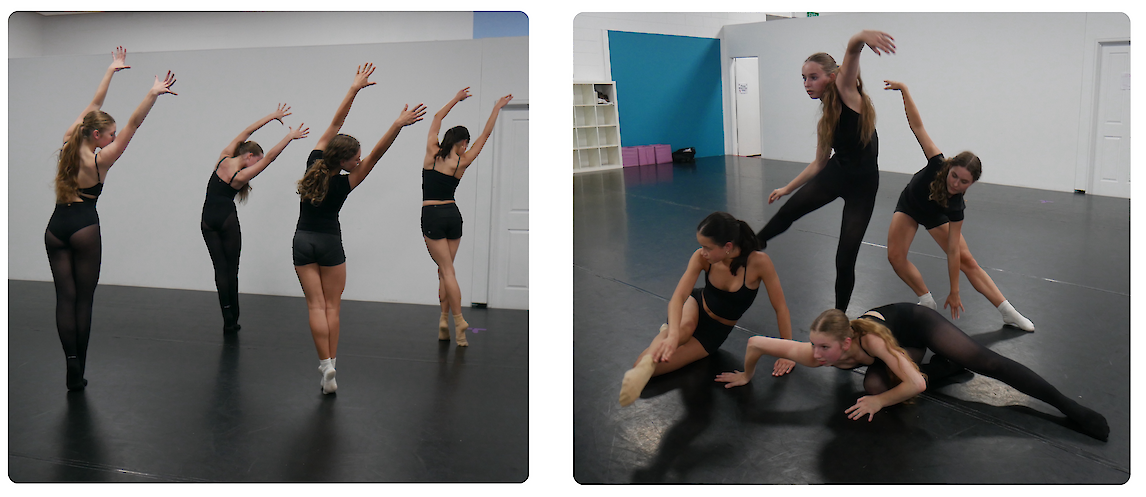
My students have responded so well. For many of my Grade 2 students, this was their first time taking contemporary dance. There was a lot to learn, but also a lot for them to enjoy. They particularly loved the creative aspect of the syllabus. Watching the cogs turn in their brains every time we did a creative task — and seeing them realise they were capable of more than they believed — was one of my favourite parts of teaching this year.
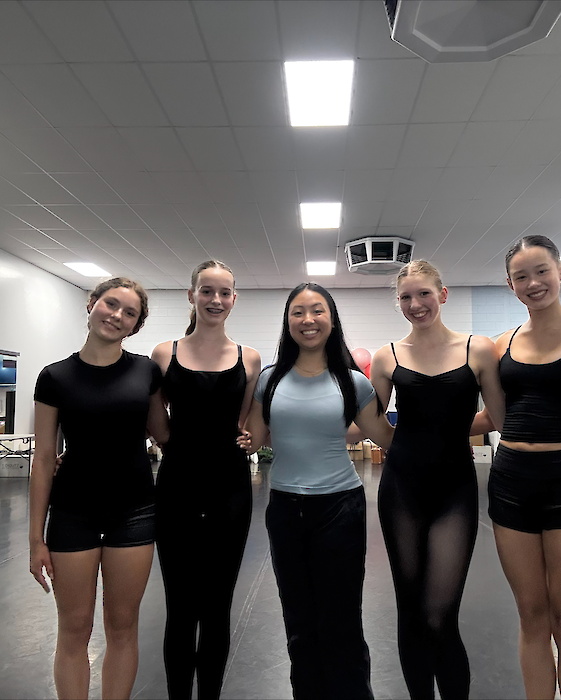
For my older students, the syllabus introduced them to a new movement vocabulary and style of contemporary dance which they have thoroughly enjoyed. They loved the intricacies of the technical work and the way it combines precision with freedom and exploration.
How do you support students preparing for exam entry?
During exam preparation, we talked a lot. I find that a studio full of questions is a place where students learn best and build confidence. My students had no shortage of questions — both big and small — and as they understood more of the syllabus, their questions became more intricate. Taking the time to work through them together helped them feel equipped and ready.
As they grew more comfortable with the movement vocabulary, I started to see major shifts. They weren’t just able to do the work — they began to truly enjoy it, which allowed their expression and personalities to shine.
How do you see Rambert Grades fitting into the Australian dance landscape?
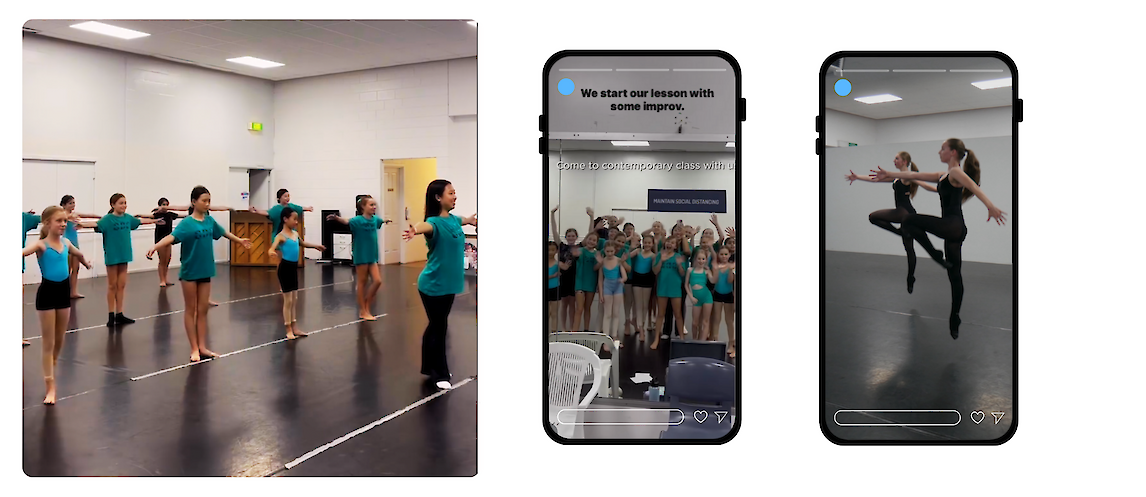
I think Rambert Grades is an amazing asset to the Australian dance education scene. The syllabus is thoughtfully designed and the progression from Grade 1 to Grade 8 feels both clear and achievable. Australia has always produced incredible movers and creators, and I believe this syllabus provides future dancers and choreographers with tools to expand their artistry, confidence and creative thinking.
What I appreciate most is how Rambert Grades prioritises exploration over replication. This aligns strongly with the spirit of Australian dance training, where individuality and innovation are so important. The syllabus nurtures expressive, thoughtful dancers who can think freely and grow into strong contemporary artists.
What would you say to another teacher considering Rambert Grades?
I would confidently say: do it. Any reservations you might have will completely disappear once you begin the training. It is so thorough and equips you to feel confident and successful in the studio, no matter what stage your students are at. There is something for everyone in this syllabus.
I was also surprised by how supported I felt. The trainers are generous, knowledgeable and genuinely invested in helping you understand not just the material, but the purpose behind it. We were encouraged to ask questions and explore how Rambert Grades could fit into our own teaching styles.
If you’re looking for a syllabus that reflects current contemporary training and nurtures creativity and individuality, Rambert Grades is worth embracing.