Why characterisation belongs at the heart of dance training
By Hannah Kidd, Director of Training and Examinations Rambert Grades.
Characterisation is not an “extra” layer within choreography - it is central to the education of any dancer seeking to communicate, connect, and contribute to the art form.
By embedding these opportunities into the Rambert Grades Contemporary Dance Syllabus through commissioned works, we ensure that Rambert Grades trained dancers are not only technically proficient but also expressive, thoughtful, and ready to step onto a stage with confidence.
This is why character-led work sits at the heart of the Storytellers Performance Strand Pathway. Through the inclusion of commissioned solos, we offer dancers authentic routes into narrative, intention, and expressive performance; experiences that are typically only encountered once stepping into the professional world.
For our students, these opportunities arrive far earlier, in a structured, supportive environment that allows their artistic voice to develop alongside their technique.
Nine ways characterisation supports a dancer's development
From a pedagogical and educational perspective, the benefits of engaging with characterisation are profound. When dancers work with repertoire created by renowned choreographers, they gain access not only to movement, but to the artistic thinking behind it. This enriches their training in multiple ways:
1. Deepens interpretative understanding
Working with repertoire from famous choreographers exposes dancers to authentic intentions, encouraging nuanced characterisation beyond pure technique.
2. Encourages artistic literacy
Engaging with established choreographic works develops dancers’ ability to read, analyse, and embody different artistic voices.
3. Connects theory and practice
Exploring characterisation in professional works contextualises classroom learning within industry-relevant repertoire.
4. Strengthens performance presence
Embodying roles from distinguished choreographers enhances stagecraft and audience communication skills.
5. Builds empathy and adaptability
Dancers experience diverse perspectives and narratives, broadening their expressive range across varied choreographic styles.
6. Enhances professional readiness
Preparing students to meet the expectations of commissioned choreographers, where characterisation is integral to performance.
7. Cultivates creative imagination
Dancers are encouraged to contribute personal interpretation while remaining faithful to the choreographer’s vision.
8. Promotes reflective practice
Analysing how characterisation shapes meaning in high-level works fosters critical thinking and self-evaluation.
9. Inspires aspiration
Engaging with works by renowned choreographers provides role models, motivating dancers to pursue artistry with ambition and commitment.
Bringing characterisation into the studio
Characterisation is not a decorative element. It is foundational. By integrating it into our syllabus and inviting dancers to engage deeply with commissioned works, we aim to nurture performers who move with intention, interpret with insight, and feel empowered in their artistic identity.
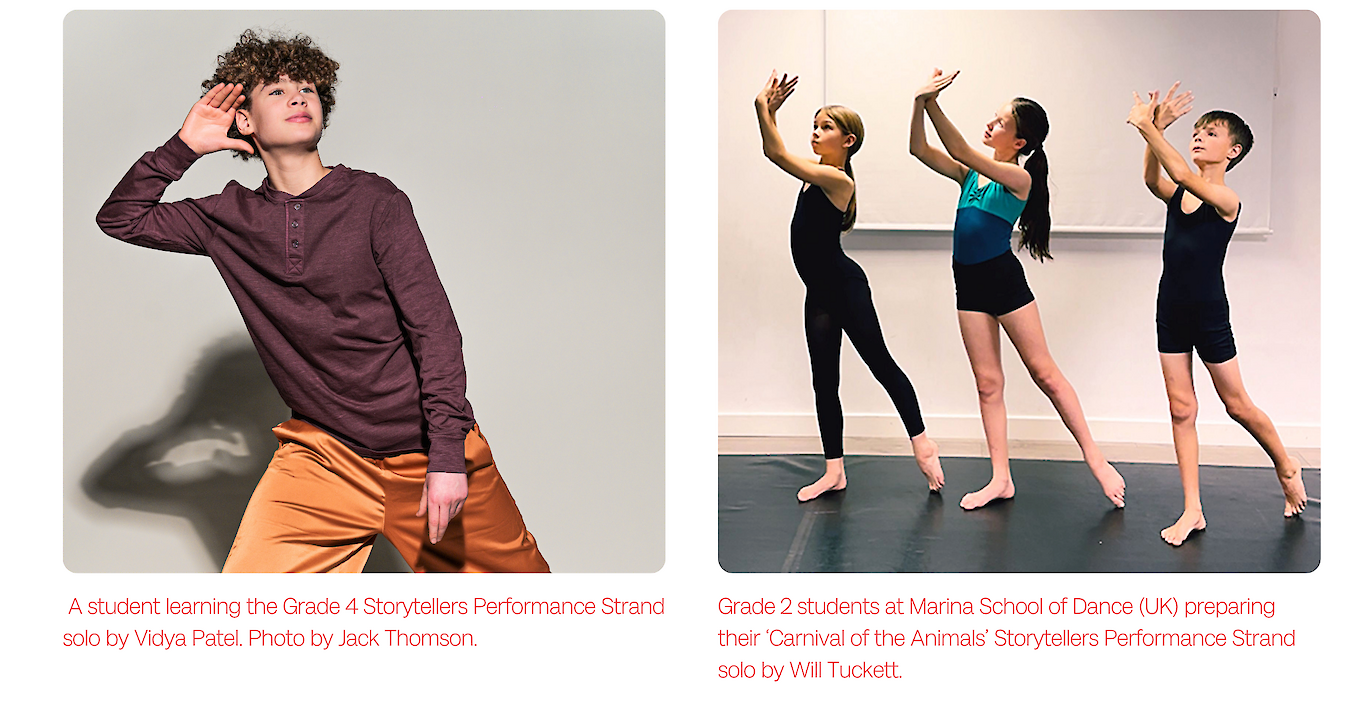
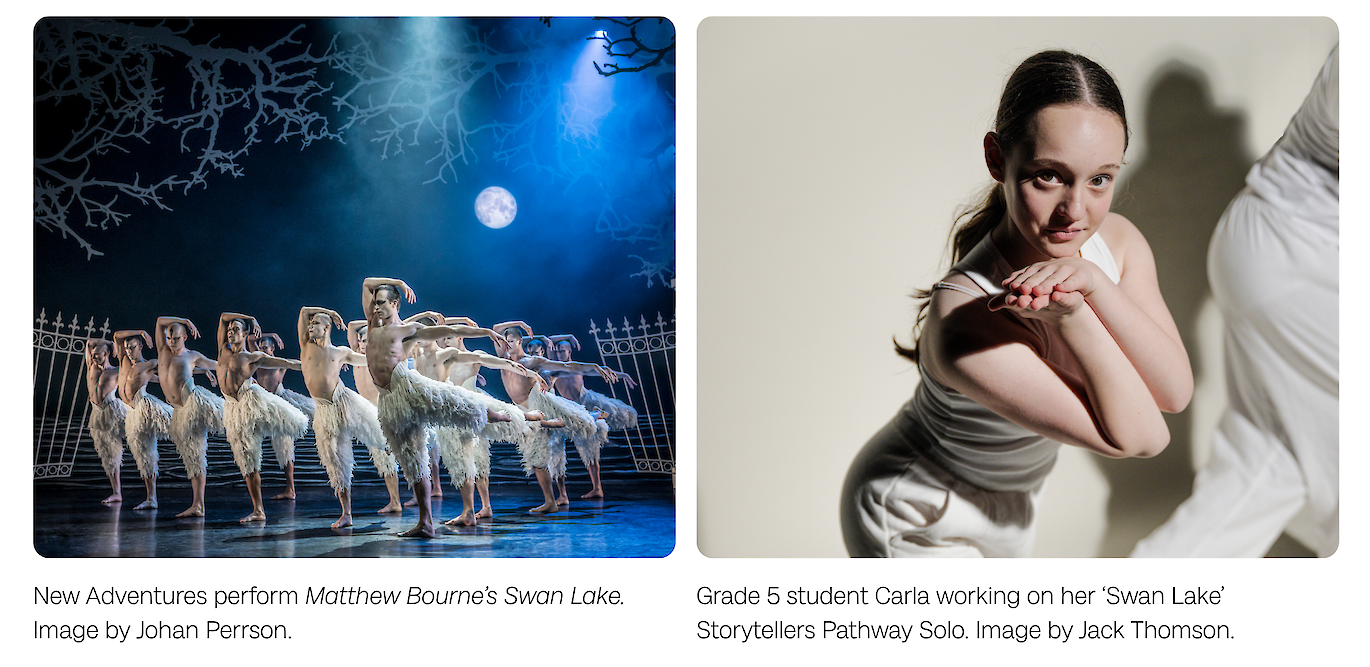
The Storytellers Performance Strand Pathway brings this approach into the studio through five solos for Grades 1-5, choreographed by Matthew Bourne, Vidya Patel, Will Tuckett and ZooNation. Drawing on the distinctive styles and ideas of leading choreographers, the solos give dancers the opportunity to explore characterisation, interpretation and storytelling as part of their technical and performance development.
For teachers, these works offer a way to bring professional choreography into the learning environment while supporting each dancer to develop their own artistic voice.
Discover the Storytellers Performance Strand Pathway and explore how characterisation can enrich your students’ dance training.
Learn more