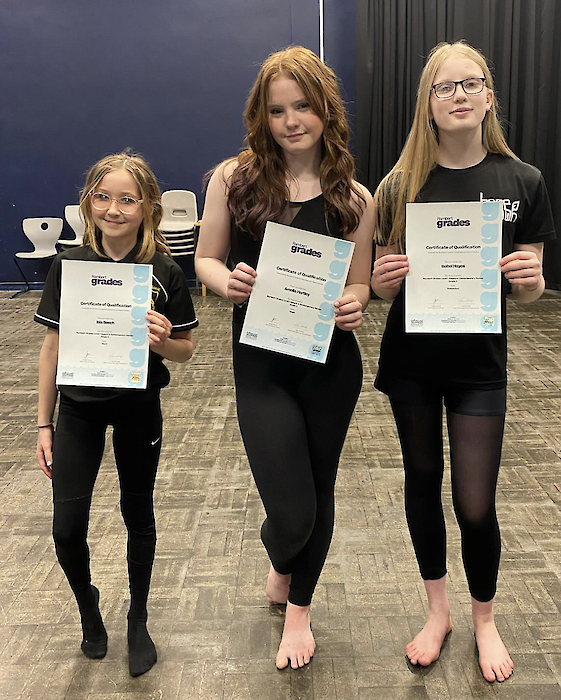
A practical guide for teachers navigating the exam process, from assessing readiness to filming day logistics and everything in between.
From preparing students for assessment to filming day logistics, successful dance examinations rely on thoughtful planning and clear support.
Whether you’re entering students for the first time or preparing your next cohort, taking time to refine your process can help create a positive and confident exam experience for everyone involved.
Here are some practical tips to support you through the examination process.
Preparing Students for their Dance Exam
Strong preparation goes beyond learning the material. Exam success often comes from familiarity, consistency and confidence in the full process.
When preparing students, there are three areas to consider:
1. Do your students feel confident with the material and process?
Thorough rehearsal is the foundation of a confident exam performance. Here are the key things to build into your preparation:
- Rehearse everything: Alongside the examined content,practice everything, including entrances, exits and transitions.
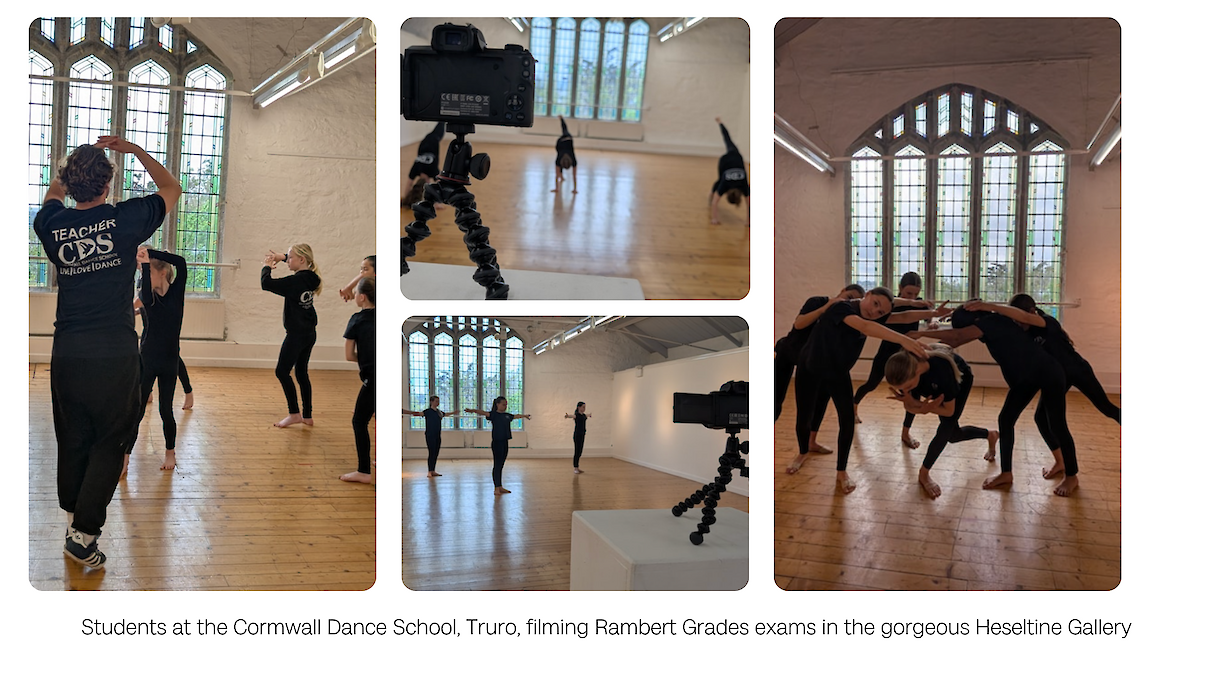
- Introduce filming early: Make the presence of a camera feel familiar by the time exam day comes around. Students will sense the presence of another eye, and early familiarity helps them feel at ease.
- Establish clear, rehearsed routines: Do students always enter from the same side? Who is responsible for pressing play or starting the recording?
- Safe practice: Ensure students are physically warm and mentally prepared before filming begins, just as you would for a performance.
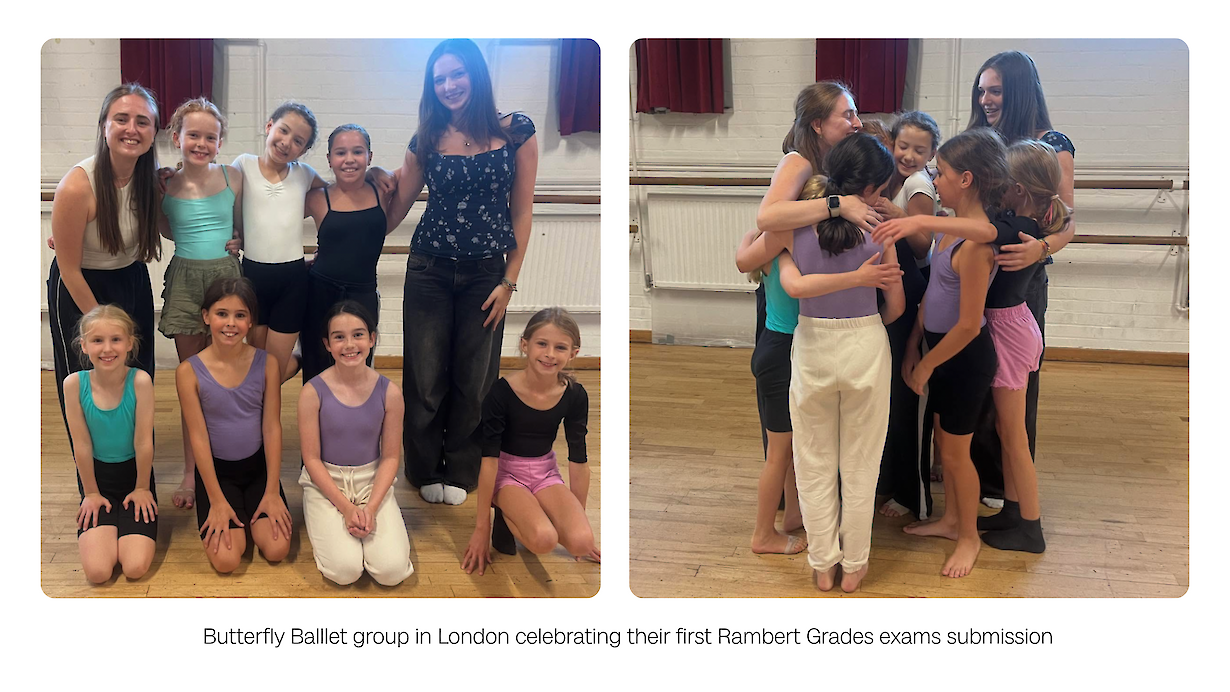
- Considering the environment: Some schools choose to invite a small audience, whilst others prefer a clear studio. Both are valid. An audience can give students a valuable sense of occasion and encourage performance quality, but the key is choosing what best supports your students.
Presentation: Helping Examiners Identify Students
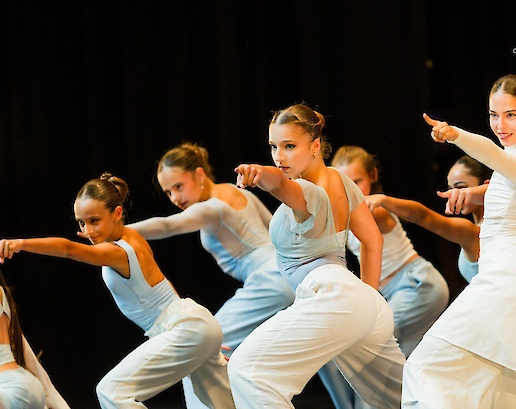
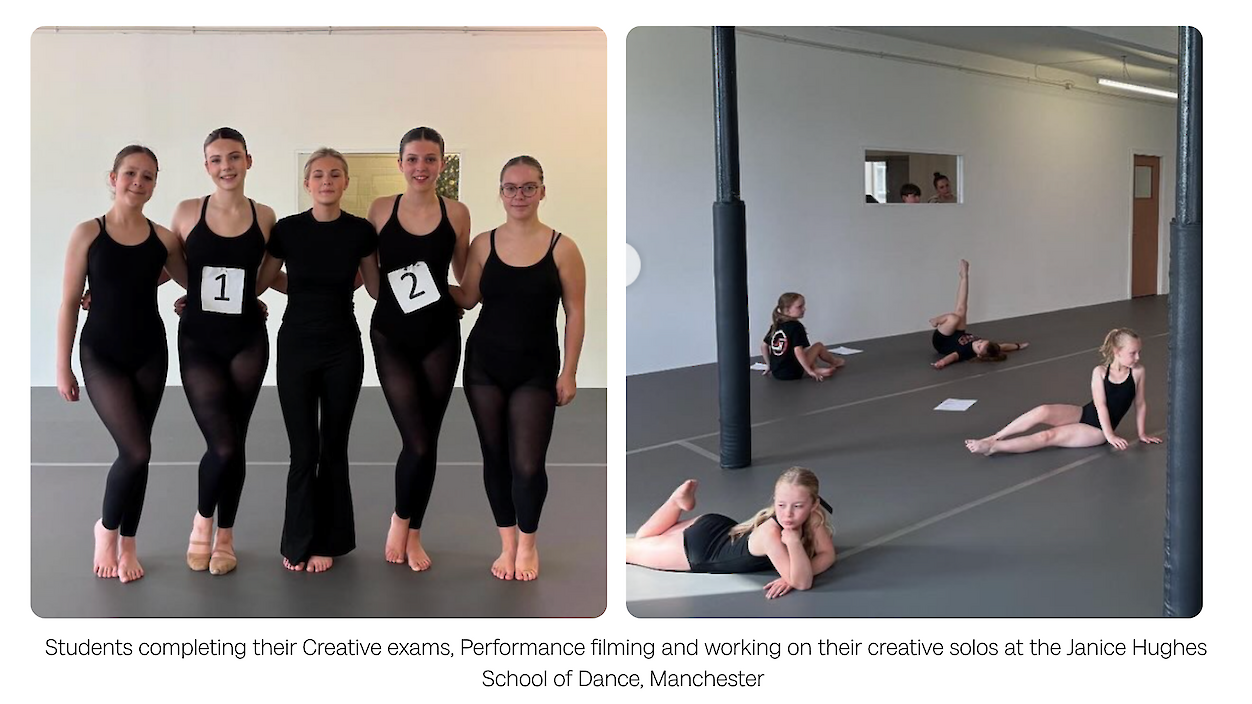
It is important that each candidate can be clearly identified by the examiner. Rambert Grades does not require specific colours or numbers, but we do ask that you find a visible way to support examiners distinguish between students. A simple solution is different coloured clothing or another clear visual distinction.
Students should wear something they feel comfortable and safe to dance in. Socks are welcome where the floor is suitable, but safety always comes first. If your school has a uniform policy, identical dress is fine, just ensure examiners can still distinguish each individual.
Supporting Students During Filming
Different levels, age groups and needs require different types of support.
Creative Movers, Pre-Primary, Primary and Future Movers
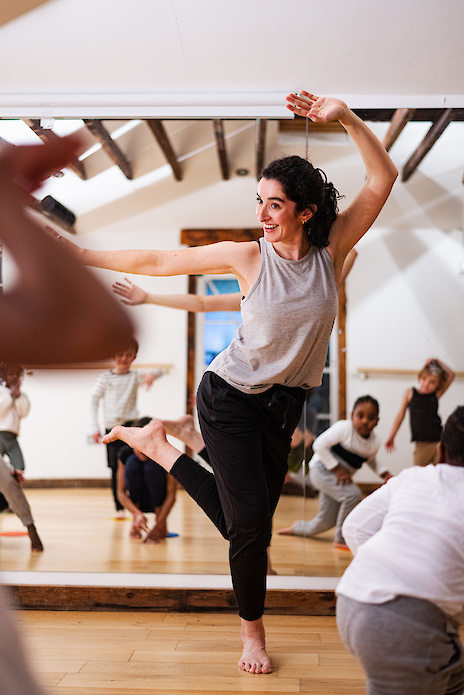
Teachers are encouraged to guide students in the same way they would in class. Continuity and familiarity help younger dancers feel secure we encourage you to work with the children in the same way you have been teaching in class. This is about continuity, not formality.
Grades 1-8
At these levels, students should be given space to demonstrate their learning independently. The exception is during the Creative Strand filming, where a simple cue such as “we are approaching the end” is permitted to manage timing.
And remember: retakes are available if something doesn’t go to plan!
Final Dance Exam Tips for Teachers
A few practical reminders before filming:
- Common sense is your best guide throughout the process! Prioritise student safety and comfort.
- Only submit students for grades you have completed training in, and remember that registration is required in advance.
- Keep the process simple. This is not a showreel and slick transitions are not necessary or expected.
- Room facings can change during the exam if needed.
- Suggested BPMs in music are provided as guidance as a suggested range to help you find the right music for students to do their best with the material. You can also easily use the teaching videos here to find the right pace.
- Film exercises again if you need to, or if something doesn’t go to plan.
Above all, remember that examinations are designed to celebrate what your students can do. They are an opportunity to recognise progress, build confidence and mark readiness for the next stage of learning.
Prepare with care, trust your teaching, and give students the space to show their full potential.